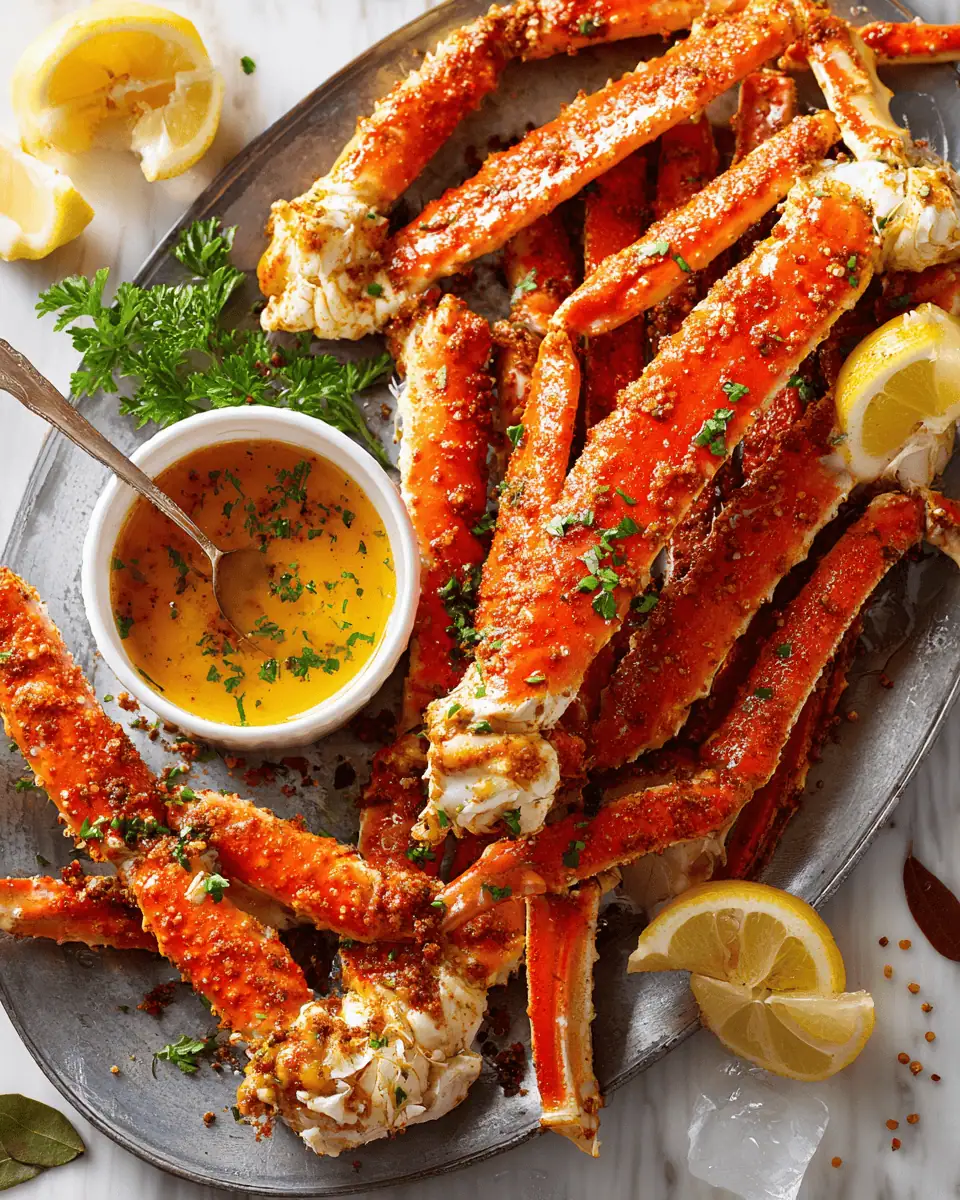
Cook Crab Legs Like a Pro: Simple Steps for Perfect Seafood
There's nothing quite like the indulgence of fresh, succulent crab legs. If your experience with crab has been limited to imitation versions in sushi rolls, you're in for a treat. Real crab offers a rich, sweet flavor profile that's truly unparalleled. Imagine tender, flaky meat, perfectly heated and dipped in warm garlic butter—it's a culinary experience that can transform a regular meal into a luxurious feast. However, the thought of cooking this premium seafood at home can sometimes bring a touch of anxiety, especially given that real crab legs aren't exactly a budget item. But fear not! Mastering how to cook crab legs is far simpler than you might think. This comprehensive guide will walk you through foolproof methods, ensuring you can prepare perfect crab legs every time, making restaurant-quality seafood a reality in your own kitchen.
Why Cook Crab Legs at Home?
Beyond the sheer delight of the flavor, preparing crab legs at home offers several compelling advantages:
- Budget-Friendly Indulgence: While crab legs are a luxury item, buying and cooking them yourself is often significantly more economical than ordering them at a high-end restaurant. You get to enjoy generous portions without the marked-up price tag. In fact, learning these simple methods is key to enjoying Budget-Friendly Crab Legs: Get Restaurant Flavor with Easy Methods.
- Unbeatable Freshness and Flavor: When you cook crab legs yourself, you control the quality and preparation, ensuring they are perfectly heated and never overcooked, preserving their natural sweetness and delicate texture.
- Surprisingly Fast and Foolproof: Most store-bought crab legs are pre-cooked and flash-frozen to lock in freshness. This means your primary goal is simply to heat them through without drying them out. The cooking process for most methods takes mere minutes, making it an ideal choice for a quick yet impressive meal.
- Customizable Experience: From the type of crab you choose to the seasonings and dipping sauces, cooking at home allows for complete personalization of your crab leg dinner.
Choosing Your Crab Legs: Snow vs. King
Before you even start cooking, understanding the different types of crab legs available is crucial. While both are incredibly delicious, snow crab and king crab legs offer distinct experiences:
- Snow Crab Legs: These are the most common and often more affordable option. Snow crab is typically sold in clusters, which include a section of the body, several legs, and sometimes a claw. The meat is sweet, tender, and somewhat stringy. They are easier to crack and manage, making them a great choice for casual dinners or if you're new to cooking crab. Snow crab legs generally have a more delicate flavor compared to King crab.
- King Crab Legs: Known for their impressive size and dramatic presentation, King crab legs are larger, thicker, and command a higher price point. The meat is incredibly rich, sweet, and firm, often coming out in large, succulent chunks. King crab legs are more challenging to crack due to their thick, thorny shells, but the reward is undeniable. They are often considered the ultimate indulgence.
Regardless of your choice, most crab legs sold are already cooked and frozen. Thawing is an essential first step. For best results, transfer them from the freezer to the refrigerator overnight. If time is short, you can run them under cold tap water until all ice is gone. Avoid using hot water, as this can start to cook the delicate meat unevenly.
Mastering the Methods: Boil vs. Steam
The two most popular and effective ways to prepare crab legs are boiling and steaming. Both methods are straightforward and yield fantastic results, but each has its proponents who argue for subtle differences in flavor and texture. Understanding these methods will allow you to confidently prepare a delicious seafood feast.
Boiling Crab Legs for Juicy Perfection
Boiling is a classic method that ensures your crab legs are heated through and incredibly moist. The hot water seeps into the shell, keeping the meat tender and preventing it from drying out.
- Gather Your Tools and Ingredients:
- A large stockpot (ensure it's big enough to comfortably fit your crab legs without overflowing).
- Long-handled tongs.
- Kitchen shears, a seafood cracker or mallet, or a nutcracker.
- 8 quarts of cold water (approximately 2 gallons).
- 1/4 cup of salt.
- 2 pounds of fresh or thawed frozen crab legs.
- Melted butter and lemon wedges for serving.
- Prepare the Boiling Water: Fill your large stockpot with cold tap water and add the salt. For an extra layer of flavor, consider adding lemon wedges, bay leaves, or a generous dash of Old Bay seasoning to the water. Place the pot over high heat and bring the water to a rolling boil.
- Add the Crab Legs: Once the water is vigorously boiling, carefully lower the thawed crab legs into the pot using your long-handled tongs. You may need to bend the crab legs at the joints to ensure they are fully submerged.
- Simmer to Heat Through: Allow the water to return to a boil, then reduce the heat to a simmer. You only need to simmer the crab legs for about 5 minutes, as they are already cooked and just need to be heated through. Overcooking will make the meat rubbery.
- Serve Immediately: Using tongs, remove the crab legs from the pot and let them cool slightly before handling. Serve hot with plenty of melted butter and fresh lemon wedges.
Steaming Crab Legs for Concentrated Flavor
Many seafood aficionados swear by steaming as the superior method for cooking crab legs. The argument is that steaming allows the delicate crab flavor to remain sealed within the shell, rather than leaching out into the cooking water, resulting in a more intense and pure taste. This makes steaming a popular choice when deciding to
Boil or Steam Crab Legs? Quick Guide to Juicy, Flavorful Results.
- Gather Your Tools and Ingredients:
- A large stockpot with a tight-fitting lid.
- A steamer basket that fits inside your stockpot (note: most steamer baskets hold about 1 pound of crab legs, so plan in batches if cooking more).
- Long-handled tongs.
- Kitchen shears, a seafood cracker or mallet, or a nutcracker.
- About 1-2 inches of water (or a flavorful liquid like white wine or beer) in the bottom of the pot.
- 2 pounds of fresh or thawed frozen crab legs.
- Melted butter and lemon wedges for serving.
- Prepare the Steamer: Pour 1-2 inches of water into the bottom of your large stockpot. You can add flavorings like lemon slices, garlic cloves, or a splash of white wine to the water for an aromatic steam. Place the steamer basket inside the pot, ensuring the water level is below the bottom of the basket.
- Bring to a Boil: Cover the pot and bring the water to a rolling boil over high heat.
- Steam the Crab Legs: Once the water is boiling rapidly, carefully arrange the thawed crab legs in a single layer within the steamer basket. If cooking a large quantity, you may need to steam in batches to avoid overcrowding, which can hinder even cooking.
- Heat Through: Re-cover the pot tightly and steam for about 5-7 minutes. The time may vary slightly depending on the thickness of your crab legs and your stove, but generally, 5-7 minutes is sufficient to heat them through without overcooking.
- Serve Promptly: Using tongs, carefully remove the hot crab legs from the steamer. Serve immediately with your favorite accompaniments.
Essential Tips for Success
Even with simple methods, a few expert tips can elevate your crab leg experience:
- Don't Overcook: This is the golden rule! Since store-bought crab legs are already pre-cooked, your goal is merely to heat them through. Overcooking will dry out the delicate meat and make it tough or rubbery. Stick to the recommended 5-7 minutes.
- Flavor the Water (or Steam): While plain salted water works, adding aromatics like lemon, bay leaves, Old Bay seasoning, garlic, or a splash of white wine or beer can infuse the crab with extra depth of flavor.
- Serving and Dipping: Classic melted butter (clarified butter is even better) and fresh lemon wedges are timeless for a reason. But don't hesitate to experiment! Try garlic butter (sautéed garlic in butter), a spicy remoulade, or a tangy cocktail sauce.
- Cracking and Eating: Invest in proper tools like kitchen shears (great for cutting along the length of the leg) or a seafood cracker. A small mallet can also be useful for King crab. Don't forget a small fork or pick for extracting those delicious bits of meat.
- Reheating: If you have leftovers, the best way to reheat crab legs is to steam them for a few minutes or briefly place them in a foil packet in a 350°F (175°C) oven until just warm. Avoid microwaving, as it can dry them out.
Cooking crab legs at home is a rewarding experience that delivers incredible flavor without the restaurant price tag. By following these simple boiling or steaming methods, you can confidently prepare juicy, tender, and perfectly heated crab legs that will impress any seafood lover. So, next time you're craving a luxurious meal, skip the reservation and get ready to cook crab legs like a seasoned pro right in your own kitchen!